


Alcohol Rehab
Alcohol rehab is treatment for people whose drinking has become difficult to stop, manage or keep separate from the rest of life.
Last updated by:
Michael Williams
Alcohol rehab gives people time away from drinking, with medical and therapeutic support around them while the body settles and the reasons behind the drinking are worked through.
Alcohol rehab at Abbington House takes place through a residential stay, bringing assessment, detox where needed, therapy, family support and aftercare together in one process.
When Drinking Keeps Coming Back
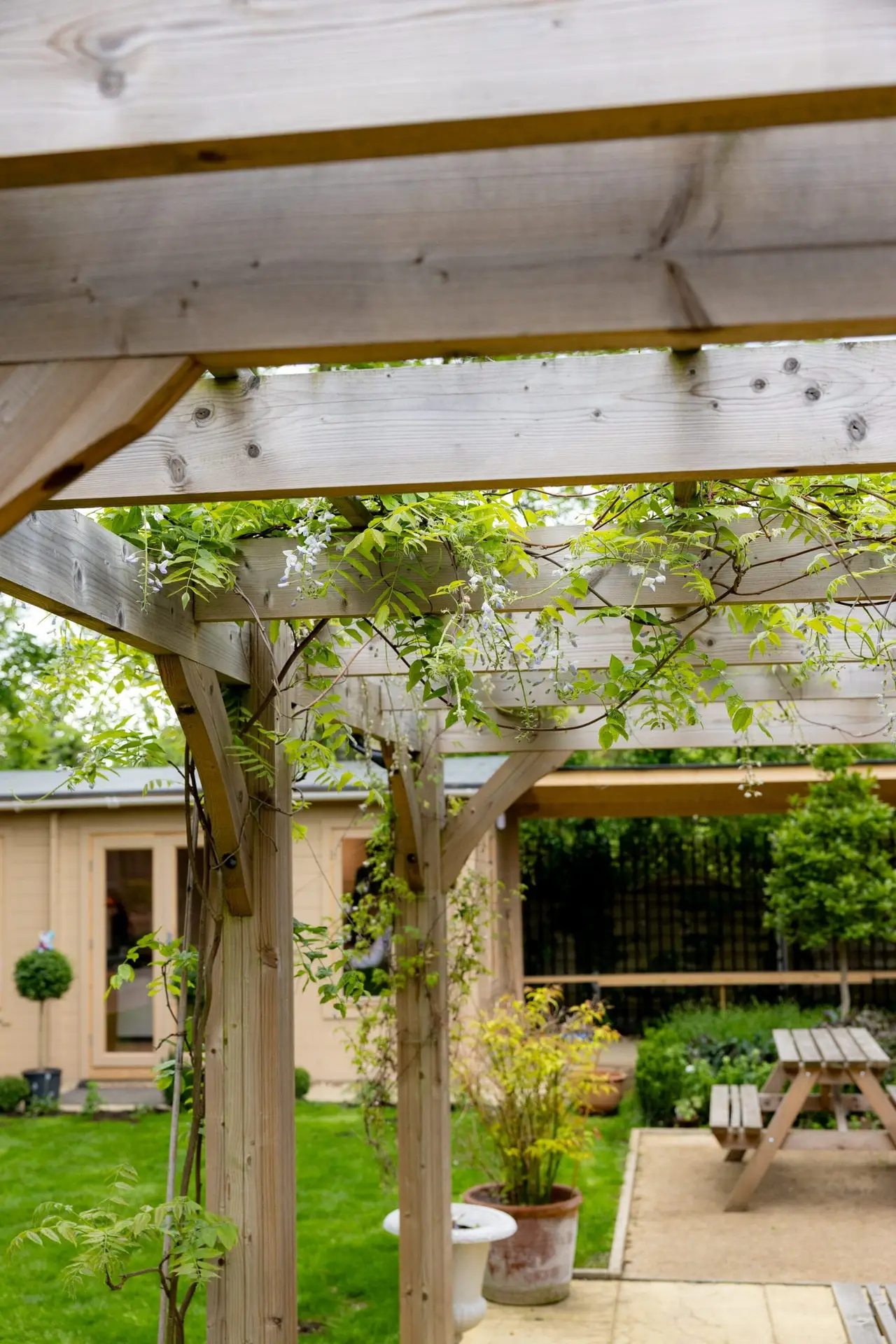
When Drinking Keeps Coming Back
Most people do not look for alcohol rehab the first time they worry about their drinking. They usually come after trying to manage it themselves for some time.
Cutting down. Stopping for a while. Drinking only at weekends. Switching to something weaker. Promising that next time will be different.
For some people, drinking has become visible and hard to hide. For others, life still looks mostly intact from the outside, but the day is being planned around alcohol: when to drink, when not to drink, how to recover, and how to keep things looking normal.
If you are still trying to understand whether drinking has become an addiction, our alcohol addiction page is a better place to start. This page is about how treatment works.
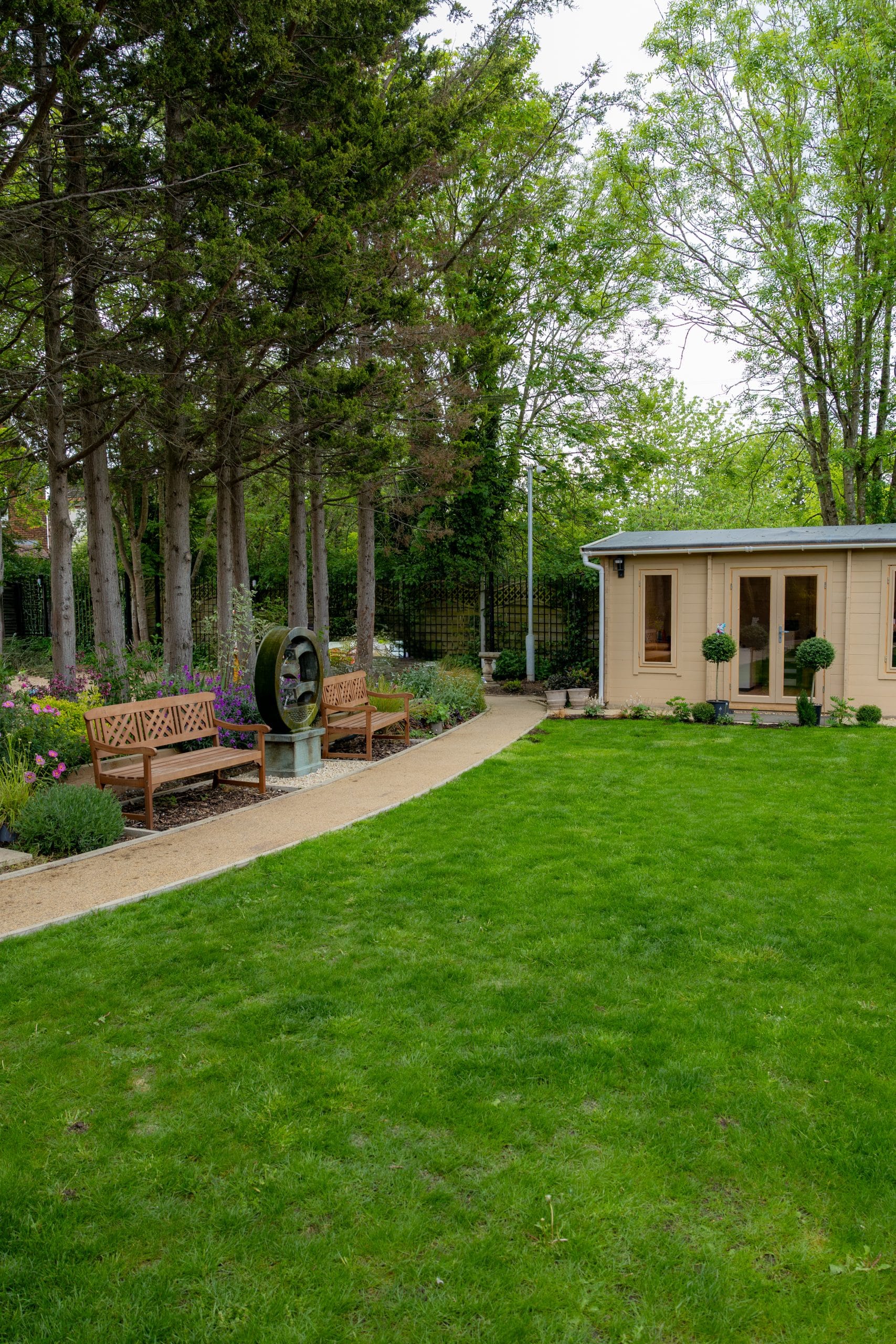
Why Alcohol Is Harder to Stop at Home
Alcohol presents challenges different from many other substances, and they shape how treatment works. Three in particular make it difficult:
- Withdrawal can be medically dangerous, so recovery often has to begin with a supervised detox.
- Drinking can sit behind a functioning life for years, so the problem stays hidden long after it has become serious.
- Alcohol is woven into ordinary life more deeply than almost anything else, which makes stopping at home especially hard.
That last difficulty is the one people often underestimate. Alcohol is sold everywhere and treated as normal: with dinner, after a hard day, at every celebration. For someone trying to stop, the drink after work and the wine with dinner are constant cues, often inside the home itself.
This is why trying to stop while carrying on as normal so often fails. The triggers are not occasional or easy to avoid; they are part of daily life. Residential treatment works partly because it removes that exposure long enough to let something change, holding the day with structure and support instead of the next drink, and giving room to look honestly at the drinking without performing normal life around it.
Assessment Before Alcohol Rehab
Assessment before alcohol rehab
Before treatment begins, the team needs to understand the drinking pattern. That includes how much someone is drinking, how often, whether they drink in the morning, whether withdrawal symptoms appear when they stop, and whether alcohol is being used alongside medication or other drugs.
The assessment also looks at physical health, mental health, sleep, family pressure, previous attempts to stop, and what has been happening day to day.
This matters because not everyone needs the same first stage of treatment. Some people need a medically supervised alcohol detox. Others are physically safe to stop, but still need structured treatment because the drinking keeps returning once they are back at home.
You can read more about medically supervised detox.
How alcohol rehab works at Abbington House
At Abbington House, alcohol rehab takes place as part of a residential treatment stay, with detox where needed, therapy, family support and aftercare connected in one process.
Treatment may include:
- medically supervised alcohol detox where it is needed and clinically appropriate
- nursing support available day and night
- one-to-one therapy
- group therapy
- CBT and trauma-informed work
- support where alcohol use sits alongside anxiety, depression, trauma, ADHD or other mental health difficulties
- family support
- relapse prevention and planning for life after treatment
- one year of aftercare, with lifetime access to the Abbington Community
Most people stay for around 28 days, though some stay longer where more time is useful or clinically appropriate. The centre is intentionally small, supporting up to twenty-one people at a time.
How the wider residential stay works day to day is explained on our residential rehab page.
What treatment looks at beyond the drinking
Alcohol often starts doing a job before it becomes the problem. It may help someone sleep, switch off, quiet anxiety, manage grief, get through work, feel more confident, or avoid feelings that have become hard to sit with.
Stopping drinking matters. But if the reason for drinking is still there, stopping on its own often does not hold.
Therapy looks at what alcohol has been doing for the person, and what needs support underneath it. That may include stress, trauma, shame, loneliness, relationships, work pressure, low mood, anxiety or the habit of coping alone.
You can read more about therapy.
Family Support
Alcohol addiction affects more than the person drinking. Families and partners often carry confusion, fear, exhaustion and hope at the same time. Family support is part of treatment here, not to assign blame, but to help the people around someone understand addiction, communication, boundaries and their own wellbeing.
Aftercare after alcohol rehab
Leaving treatment means returning to ordinary life, where alcohol may still be present in shops, homes, social situations and old routines. That part needs planning.
During treatment, people work on relapse prevention, support systems, routines, work, family, triggers and what needs to be different after leaving.
After residential treatment, Abbington House provides one year of aftercare, with lifetime access to the Abbington Community.
You can read more about aftercare.
What Alcohol Rehab Costs, and How to Access It
Treatment at Abbington House is arranged privately, as a single fixed fee for the residential stay. What that fee covers, and how it compares across the wider picture, is set out on our rehab costs page.
If you are still weighing up whether private residential treatment is the right route, our private rehab page covers how it compares with NHS and community options.
Common Questions About Alcohol Rehab
How long does alcohol rehab last?
Will I need an alcohol detox?
Not everyone does. It depends on how much and how often you have been drinking, and whether your body has become physically dependent. Where a detox is needed, it is medically supervised. The assessment before admission works this out with you, and our medically supervised detox page explains how it works.
Can I come to alcohol rehab if I am still drinking?
Yes. Many people make contact while still drinking. Because stopping alcohol suddenly can be dangerous, the admissions team can talk through the safest next step.
Is alcohol rehab only for people who drink every day?
No. Some drink daily; others drink in cycles or binges that still cause harm. What matters is whether alcohol has become difficult to control and is affecting health, relationships, work, mood or quality of life.
Can I call about someone else?
Speaking to Abbington House
You do not need to know exactly what treatment is needed before calling. Many people call unsure, some for themselves and some for someone close to them.
A confidential conversation can help you understand whether alcohol rehab is appropriate, whether detox may be needed, and what admission would involve.
If you already know you want to speak about coming in, our admissions page explains how that works.